Cart
0
You may also like


There is an attar called Majmua that instantly reminds me of my grandfather. He used to wear it, and the association has remained with me. When I encounter that familiar smell, the response is immediate. I recognise something personal before I begin analysing the fragrance or trying to name what I am feeling.
That experience captures the connection between smell and memory. The odour does not replay a complete scene with perfect accuracy. It brings back a person, an emotional tone, and the sense that part of the past has moved closer. Only then do words begin to form.
Why can this happen so quickly, and why does a familiar perfume sometimes remind us of a person before we can explain the connection?
A simplified view of how an odour may acquire personal meaning through recognition, association and emotional context.
Smells trigger memories because the brain learns to connect odours with people, places, routines and emotions. When a familiar odour returns, it can reactivate parts of that stored experience. The result may feel sudden and emotionally vivid, although the memory is still reconstructed rather than replayed as a perfectly accurate recording.
Odour molecules enter the nose and are detected by receptors in the olfactory system. The resulting signals are processed by the brain, which interprets them using context and previous experience. A smell has no single personal meaning on its own. Its importance develops through what happened around it.
Repeated exposure can strengthen an association. A relative’s attar may become linked with that person’s presence. Soap may become connected with a childhood home, or cardamom with tea prepared at a certain hour. Emotion, repetition and context help determine which associations remain important.
The Monell Chemical Senses Center’s discussion of scent and springtime describes smell as an interaction between chemistry, perception, memory and emotion. That is more accurate than saying a scent simply “goes straight to memory”. The brain interprets the signal through systems that work together, and each person brings a different history to that process. and arrive before the story does
Tea, warm cotton and rain may carry more personal meaning than a rare perfume ingredient.
Sometimes the first response to a familiar odour is not a clear image. It may be a sense of comfort, unease, warmth or recognition. A few seconds later, a person, room, season or routine becomes easier to identify. The story forms around the feeling.
That sequence helps explain why perfume reminds us of people. You may notice an attar and sense someone familiar before consciously identifying the fragrance. The association often develops through repeated, ordinary encounters.
Karachi offers many examples of smells that can become personal markers. Rain hitting roads that have held a day’s heat can recall a particular monsoon, but it will not mean the same thing to everyone. Sea air mixed with humidity and concrete may suggest home to one person and an uncomfortable commute to another. Freshly ironed cotton may recall school mornings, formal gatherings or a parent preparing for work.
The emotional quality can become recognisable before the source. Then the mind supplies details: who was there, the time of day and why the moment mattered.
Memory is not a complete recording stored unchanged in the brain. When you remember an event, you reconstruct it from available details, associations and present understanding. A smell may be one part of a larger memory that also includes a place, a person, light, temperature and bodily sensation.
When the odour returns, several parts of that experience may become active together. A familiar perfume may recall someone’s presence, clothing and the atmosphere of a gathering without restoring every factual detail correctly.
Research supports an important distinction. Monell experimental psychologist Pamela Dalton has explained that smells are not necessarily better than sights or sounds at retrieving memories, even though the memories they elicit often feel especially vivid and emotional. A naturalistic study comparing odour and visual cues also found that memories recalled in the presence of odours were rated as more emotional and produced a stronger feeling of being brought back to the original event. These findings concern subjective emotional quality, not proof that the memory is more accurate. Read Monell’s explanation of scent and vivid memory. A common myth about olfactory memory. Smell is not a guaranteed master key to the past. It can be a strong personal cue because of the associations built around it. The memory may feel immediate while still remaining selective, fragmentary or changed by time.
Rose is a useful example because it appears in many settings. For one person, it may recall a wedding or a family garden. For another, it may be associated with a religious setting, a cosmetic product, a gift, a funeral or an old-fashioned perfume. Someone else may find rose pleasant but emotionally unimportant.
The material has not changed, but the personal history around it has.
The same applies to oud, jasmine, leather, smoke, clean cotton, sea air and cardamom. Oud may be a daily fragrance, ceremonial scent or family tradition. Jasmine may recall an evening garden, hair oil or nothing specific. Smoke may suggest cooking, incense or discomfort.
Scent meaning is shaped by culture, geography, family habits, repetition, age and personal events. The form also matters. Rose water in food, rose oil on skin and a rose accord in a modern perfume can produce different associations.
This is why fixed statements such as “rose means love” or “citrus creates happiness” are too simple. Materials can suggest certain styles within a composition, but they do not produce one universal emotional response. Perfume and emotion meet through the wearer’s experience.
Yes, provided we are precise about what “create” means. A perfume cannot insert a literal autobiographical memory into the brain. It can construct an atmosphere convincing enough for the wearer to imagine a city, room, coastline, private ritual or historical period they never personally experienced.
Perfumers do this through materials, accords, texture, contrast and development over time. A bright opening may suggest morning light. Dry woods, moss and soft warmth may recall old furniture, pressed shirts or paper kept in a drawer. None of those associations is automatic, but together they can give the imagination useful sensory material.
A wearer may build a half-remembered scene from books, films, family stories and cultural imagery. It can feel familiar without belonging to one verifiable event. A perfume may suggest another time without copying one exact room.
For a creative director, the task is often to define what the fragrance should make possible. The perfumer then works out how materials and structure can support that atmosphere while still producing a coherent perfume on skin.
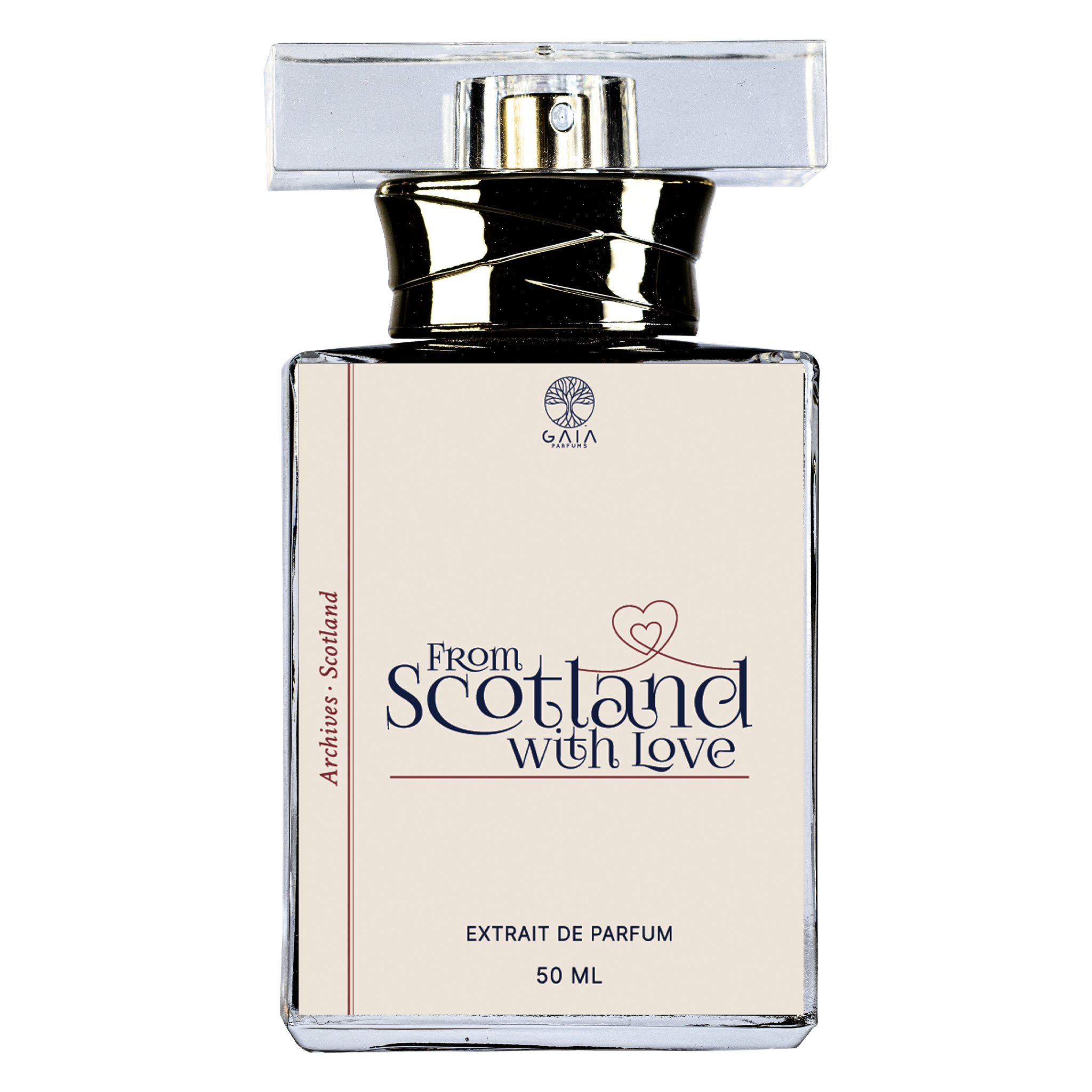
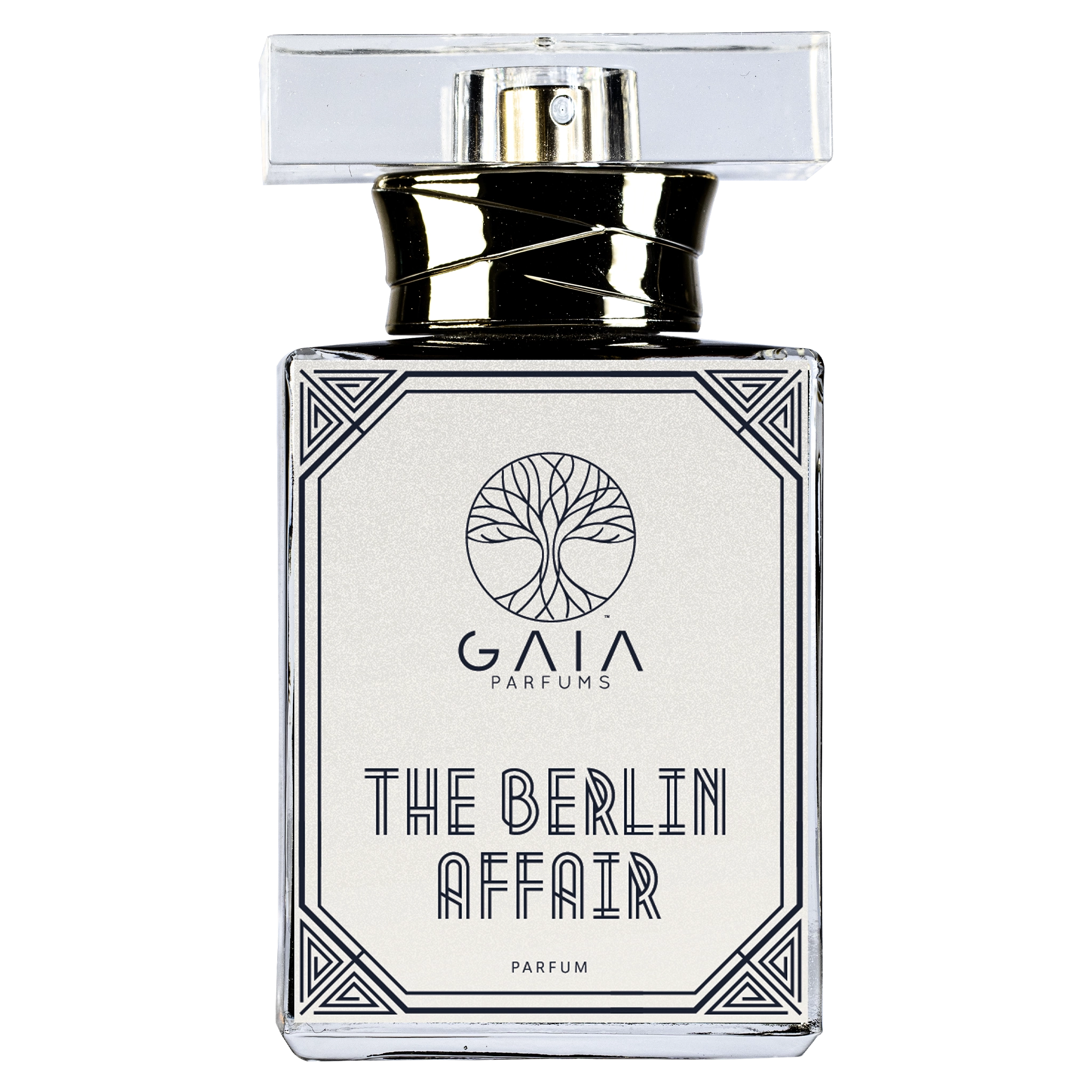
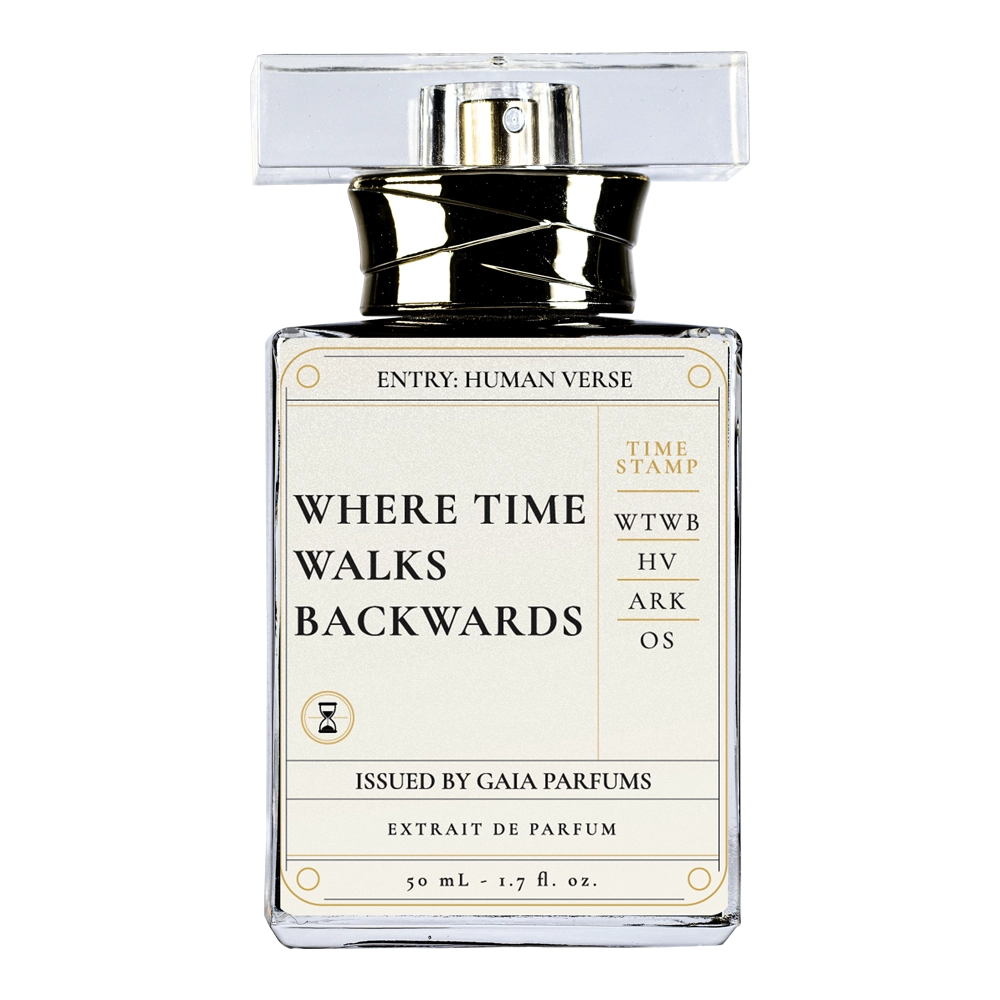
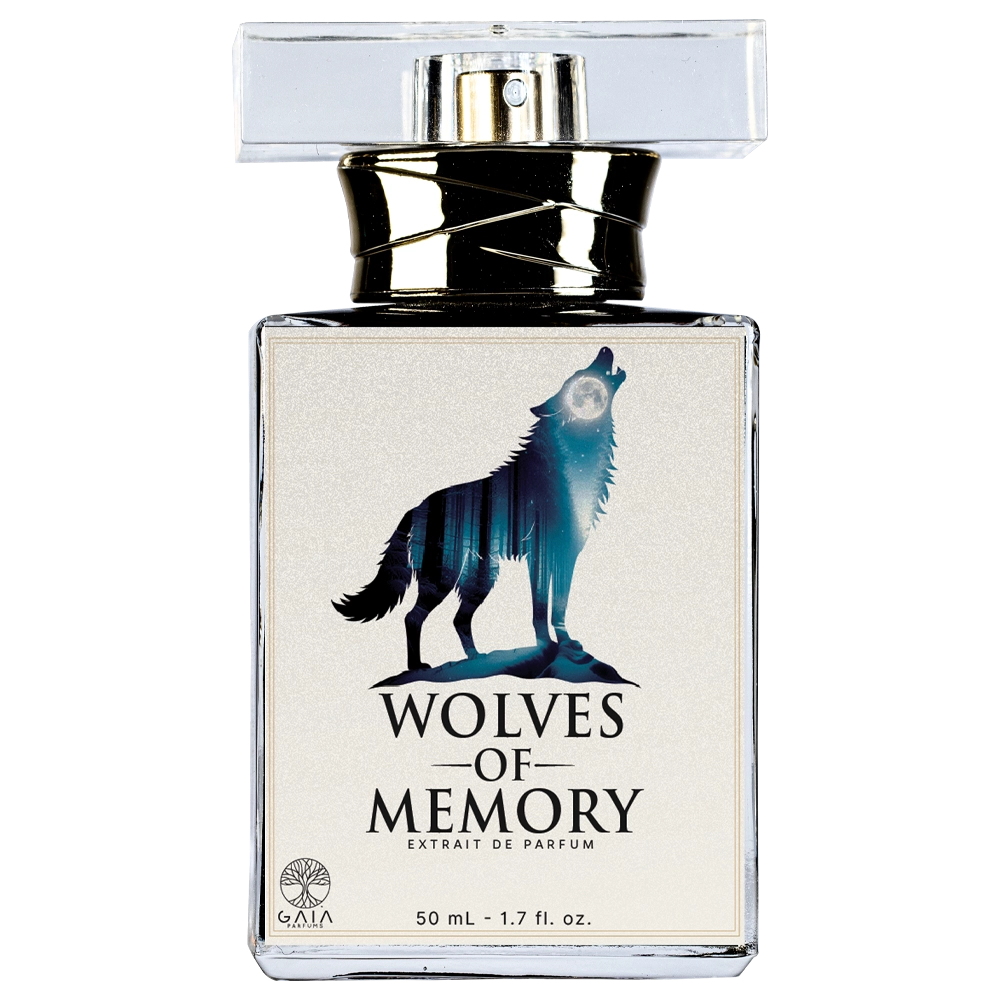
At GAIA Parfums, memory often enters the creative process before a note list does. We begin with the emotional subject, the kind of presence it should have and the way it should change over time. Materials serve that direction rather than acting as fixed symbols. GAIA describes memory, place, and emotionally significant details as central to its creative work. The Human Verse Collection explores memory, longing, time, private emotional states, and the traces people carry. It is a creative interpretation of inner life, not scientific evidence about how all wearers will respond. Wolves of Memory treats memory as active and persistent. Frankincense, oud, rose, leather, amber, tobacco and sandalwood give the composition weight, contrast and a sense of returning presence. The fragrance does not present recollection as soft or comforting by default. It considers the kind of memory that remains alert and difficult to dismiss. When Time Walks Backwards approaches the subject differently. Its modern fougère structure moves from lavender and citrus brightness towards oakmoss, coumarin, cedarwood and sandalwood. That change can suggest a clean morning gradually turning inward, as warmth and wood slow the composition’s pace. matters. Wolves of Memory gives recollection force and density. Where Time Walks Backwards gives it distance, order and gradual return. Neither perfume dictates what you must remember. Each offers an atmosphere that your own scent memory may complete.
You do not need specialist perfume knowledge for this exercise. Write down five ordinary smells connected with:
For each one, record:
Do not worry about identifying a polished note pyramid. “Tea from the blue cup in my grandmother’s kitchen” is more useful than forcing yourself to choose between bergamot and neroli. Many important scent memories smell of soap, cupboards, paper, fabric, rain, cooking or someone’s clothing.
This is not a personality test. It is a way to notice how personal association works. Compare your list with another person’s and you may find that the same material carries completely different meanings. That difference is part of the connection between scent and personal memory.
Majmua does not preserve my grandfather as a perfect record. It holds enough of an association for his presence to feel close when I smell it. The response is personal, immediate and difficult to reduce to a list of ingredients.
Perfume cannot reproduce the past exactly. It can preserve fragments of atmosphere: a person’s familiar attar, warm fabric, rain on a Karachi road, light in an old room or the feeling attached to a particular morning.
Return to the Human Verse fragrances with that idea in mind. Smell slowly, notice what appears before you name it, and begin with a GAIA Discovery Set when sampling is available. Your most meaningful response may come from what the fragrance meets in you.
Smells trigger memories because the brain learns associations between odours and experiences. A scent encountered around a person, place or routine can become part of that wider memory. When it appears again, connected emotional and contextual details may return, sometimes before the person can consciously identify the odour. l better at retrieving memories than sight or sound?
Smell is not always better at retrieving memories than sight or sound. Research suggests that smell-evoked memories can feel especially vivid, emotional and personally immediate, but this does not make them more factually accurate or guarantee that an odour will retrieve a memory more effectively. a perfume remind you of a person?
A perfume can remind you of a person when you repeatedly encounter that scent around them. Over time, the fragrance becomes associated with their presence, clothing, home or shared routines. Smelling it again can reactivate parts of that learned connection, even when the person is absent.
The same smell means different things because scent associations develop through individual experience. Culture, geography, family habits, age, repetition and important life events all affect meaning. Rose may recall a wedding for one person, a cosmetic product for another and nothing emotionally significant for someone else.
A perfume can suggest an imagined memory, but it cannot install a literal autobiographical event. Materials, texture and development may evoke an unfamiliar city, historical room or private ritual. The wearer then builds a personal scene using imagination, books, films, family stories and existing associations.
GAIA Parfums uses memory as a creative subject rather than a fixed ingredient effect. Wolves of Memory presents recollection as persistent and forceful, while Where Time Walks Backwards uses a modern fougère structure to suggest brightness gradually settling into moss, warmth and wood.