Cart
0
You may also like


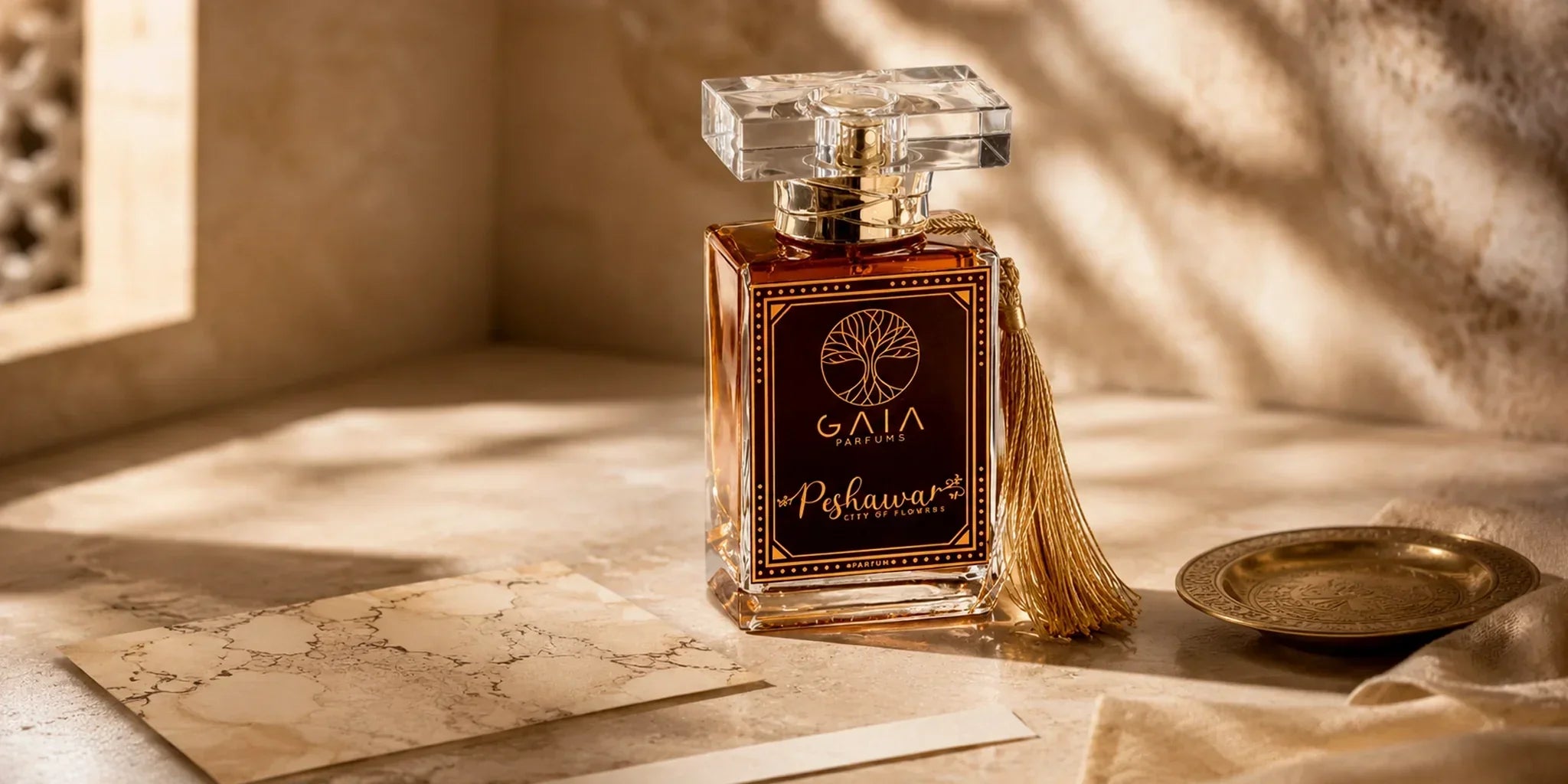
Ask someone in Pakistan about fragrance and they may not start with perfume. They may talk about rose water at weddings, oud smoke before guests arrive, clean cotton after ironing, spice markets in the afternoon, jasmine at night, rain on hot roads, sandalwood in old cupboards, or attars carried in small glass bottles.
Pakistan needs independent perfume houses because our scent culture is rich, emotional, and still underrepresented in modern perfumery. A Pakistani niche perfume house can translate local memory, climate, rituals, materials, and daily life into perfumes made for people who live here.
That does not mean every local perfume must smell like rose, oud, saffron, or musk. It means our references matter. Our summers matter. Our clothes, skin, homes, weddings, offices, Eid visits, sea air, and evening gatherings matter too.
Pakistan has scent everywhere. What we are still building is a modern perfume language that comes from inside that experience.
Fragrance is already part of Pakistani life. We do not always call it perfume culture, but it is there.
It is in rose water sprinkled at weddings. It is in oud smoke moving through a drawing room before family arrives. It is in attars saved for Jummah, Eid, and quiet personal routines. It is in jasmine that becomes impossible to ignore after sunset. It is in freshly ironed cotton, when a white kurta carries the smell of heat, starch, and care.
Some of our strongest scent memories are not polished or staged. Spice markets have their own dry warmth. Old wooden cupboards hold traces of sandalwood, paper, fabric, and time. Rain on hot roads has a mineral smell people remember without needing anyone to explain petrichor. A brass tray, a folded shawl, a bar of soap near the sink, a small bottle of attar in a drawer, all of these become part of a person’s private scent library.
 Perfume gifting also has a place in families here. A bottle given before Eid. A fragrance chosen for a wedding. A small attar bought while travelling. A scent passed to someone with no dramatic speech, just: “Yeh achi hai, laga lo.”
So yes, Pakistan already has scent culture. The question is whether modern perfume made in Pakistan can speak with the same emotional honesty.
Attars deserve respect. They are not a lesser form of perfume. In Pakistan, attars and fragrance oils carry religious, cultural, personal, and emotional meaning. A good attar sits close, warms slowly, and becomes part of the skin in a way sprays sometimes do not.
Modern niche perfume gives fragrance another format.
It allows structured compositions, spray diffusion, clear development from opening to drydown, collection concepts, note pyramids, and contemporary wearability. A perfume can be built around a city, a private ritual, a memory, a season, or a person who still takes up space in your head without paying rent.
The difference between attar and niche perfume is simple: attar is usually oil-based, intimate, and worn close to the skin. Niche perfume is usually a spray composition with more projection, structure, and creative framing. One does not need to replace the other.
The more interesting future is when attar culture and modern perfume craft begin speaking to each other.
 A Pakistani perfume brand can learn from the intimacy of attars while creating complete modern compositions. It can respect oud, rose, musk, sandalwood, saffron, amber, and smoke without becoming trapped by them. It can also make room for citrus peel, mineral notes, clean musks, woods, leather, tobacco, sea air, warm skin, and the smell of a shirt before the day begins.
That is where artisanal perfume in Pakistan becomes exciting. It can carry memory without standing still.
For readers who want to understand the older craft behind attars, this short educational piece on traditional attar culture is a useful reference.
Karachi does not test perfume gently. It gives fragrance a full interview by lunchtime.
For perfume lovers in Karachi, scent has to deal with heat, humidity, sea air, traffic, office hours, air-conditioned rooms, outdoor errands, family visits, weddings, dinners, Eid gatherings, and late-night food plans that were supposed to be “quick” but somehow became three hours.
This matters because climate changes perfume.
Heat can make sweet perfumes feel louder. Humidity can make freshness feel softer or heavier. Sea air can shift how citrus, musk, woods, and amber sit on skin. Air-conditioning may make a perfume feel polished indoors, then outdoor heat opens it again. A fragrance that behaves beautifully in Paris in October may not behave the same way in Karachi in June. Paris is not the problem. June is simply doing what June does.
Karachi buyers also care about different things at once. They often want performance, presence, originality, and value. They want something that lasts, but they also want it to feel personal. A person may wear one perfume to the office, another to dinner, another to a wedding, and another while doing absolutely nothing except trying to feel put together.
The city itself carries contrasts: salt air, concrete heat, old markets, clean linen, spice, smoke, rain, petrol, tea, flowers, and late-night food streets. That is a fragrance education, whether we admit it or not.
A perfume house in Karachi cannot ignore this. The city corrects fragrance quickly.
A Pakistani niche perfume house can add something different from mass-market, imported, inspired, or purely commercial fragrance brands.
This does not mean designer perfumes are bad. They introduce many people to fragrance. Inspired perfumes also have a place for buyers who want familiar profiles at accessible prices. Attars have their own dignity and history. The point is not to insult any category. The point is to explain what independent perfumery can do.
An indie perfume house in Pakistan can create from local context. It can ask useful questions:
How does this wear in Karachi heat?
Does it feel comfortable on cotton, linen, lawn, or a winter shawl?
Can it work for office wear, Eid, dinner, or a quiet morning?
Does it still feel beautiful after three hours on skin?
Does it smell like a person, or only like a product?
Small-batch perfume in Pakistan also allows more room for creative direction and adjustment. A small house does not always need to chase the safest trend. It can build fragrances around stories, rituals, places, emotional states, and memories that feel specific.
A niche house can treat perfume as culture, not only as a bottle to sell. It can create something clean, smoky, strange, warm, nostalgic, quiet, difficult, or deeply wearable. Sometimes a perfume should not try to please everyone in the first three seconds. Some of the best ones need a little time. People too, honestly.
It can also encourage better buying habits. Samples and discovery sets matter because perfume should be worn before it is judged. A fragrance can smell one way on a paper strip and another way after four hours on skin in local weather. For beginners, the safest way to start is to test patiently.
GAIA Parfums is an independent perfume house in Karachi creating small-batch, story-led fragrances from Pakistan. The aim is not to shout about being bigger, louder, or more important than anyone else. The aim is to build a perfume language that feels honest to where we live, what we remember, and how scent moves through daily life.
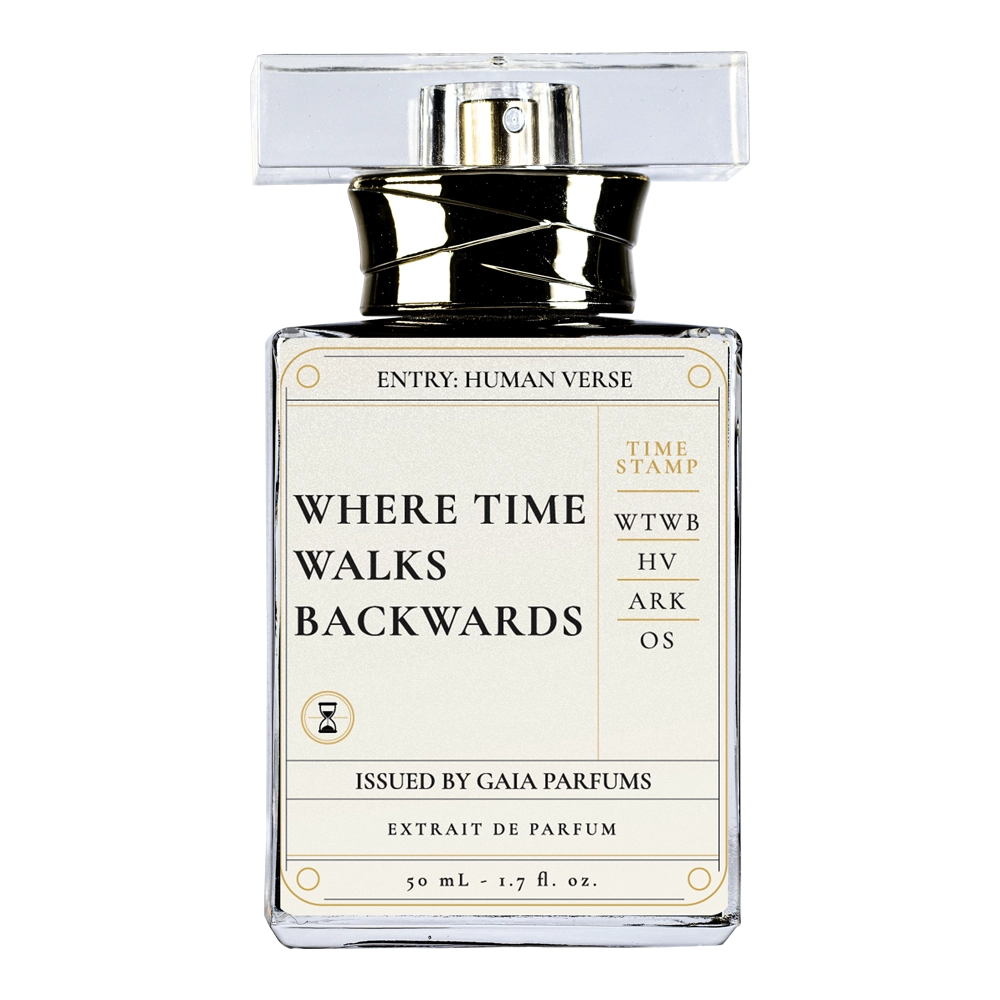
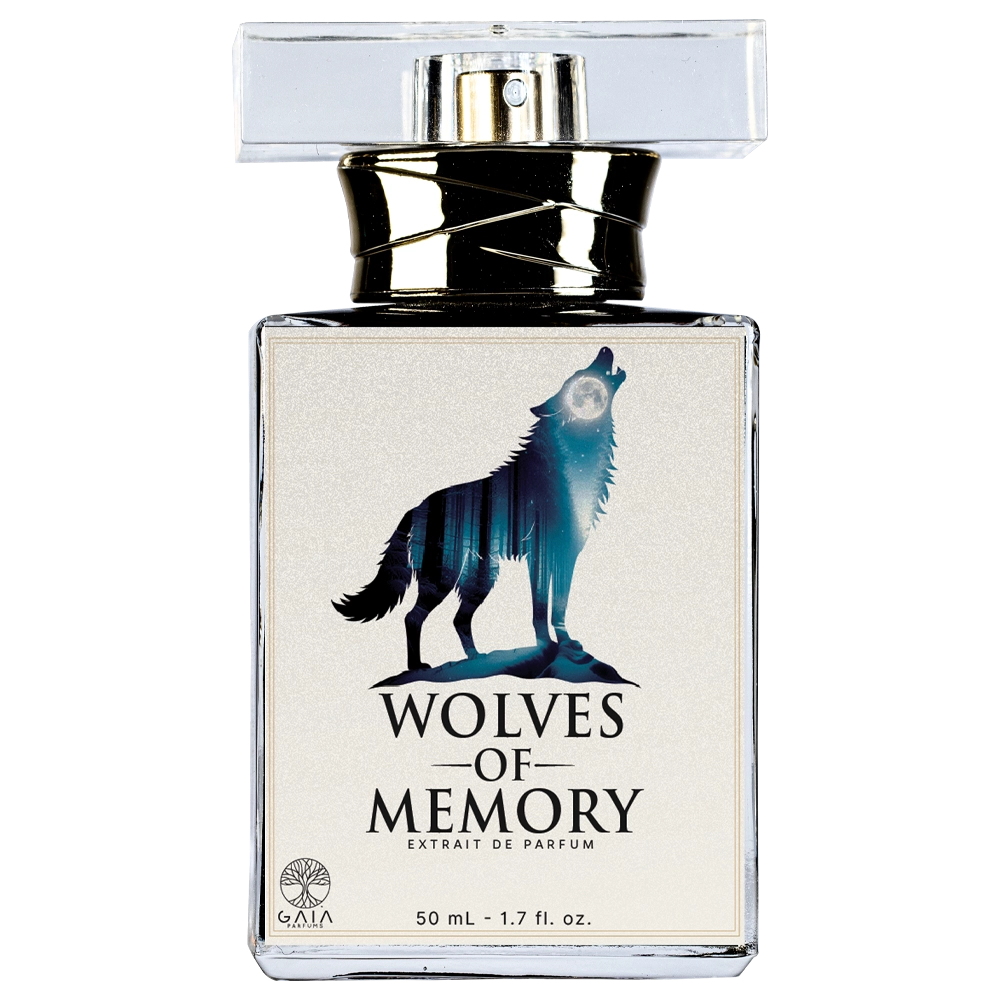
The Human Verse Collection explores memory, time, skin, longing, and emotional landscapes. Wolves of Memory, for example, moves into darker territory with oud, leather, smoke, and memory. Where Time Walks Backwards looks at structure, time, fougere texture, and the strange feeling of being pulled toward something familiar.
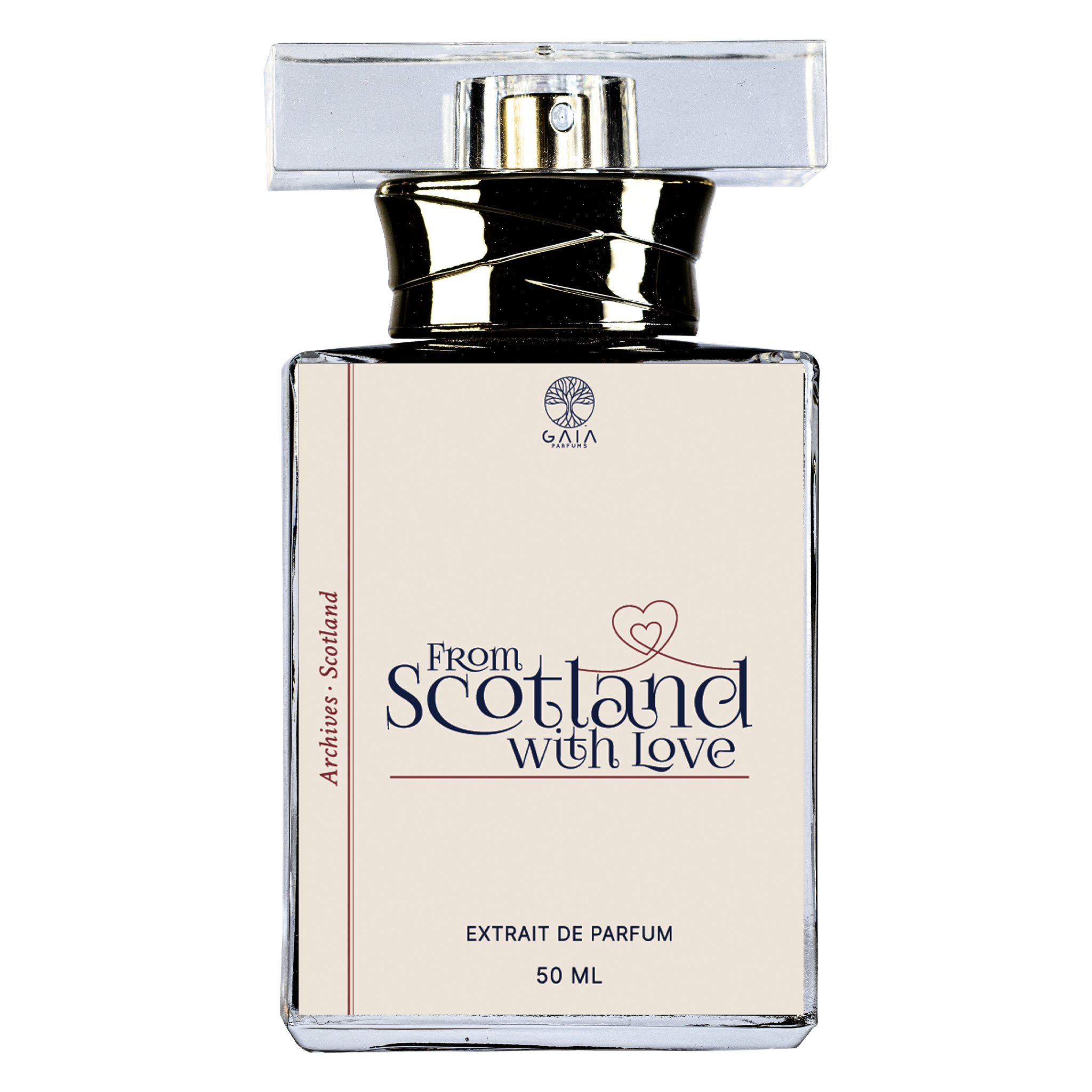
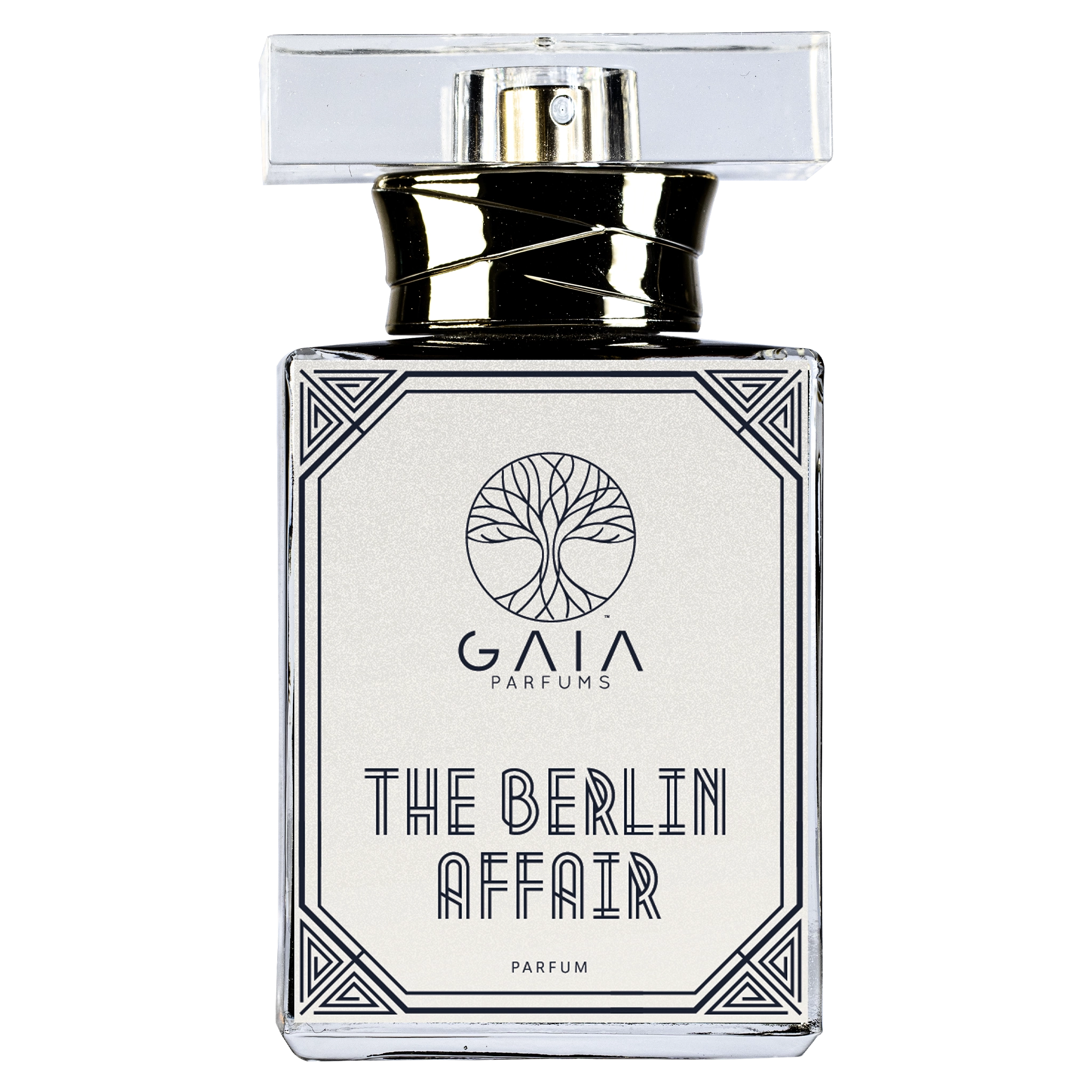
The City Archives Collection treats cities as atmosphere rather than postcards. The Berlin Affair feels urban, cool, and modern, built around the idea of a city remembered through mood rather than obvious landmarks.
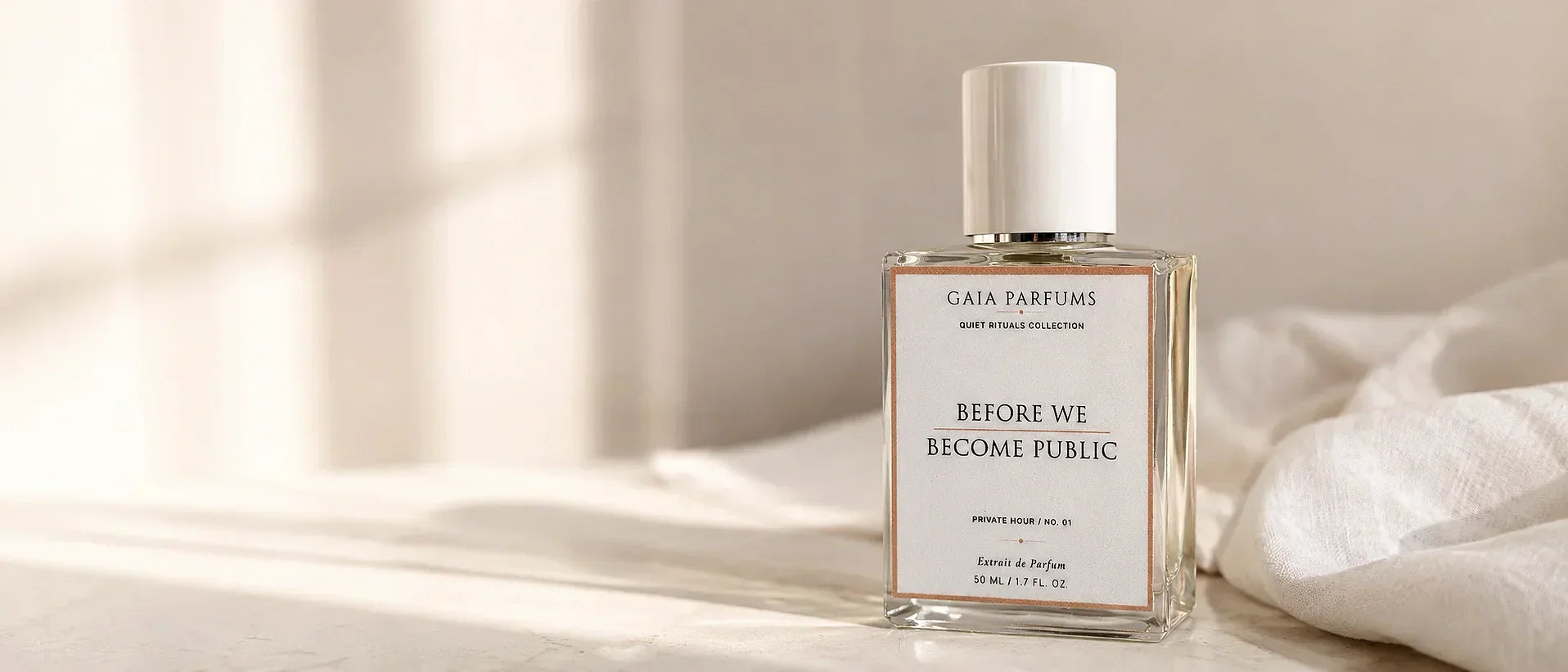
The Quiet Rituals Collection is more intimate. It looks at private daily moments: clean skin, folded linen, steam, pale woods, and the quiet hour before the world sees you. Before We Become Public belongs to that space: clean, mineral, private, and ritual-like.

This is what GAIA Parfums Pakistan is trying to build. It is not about making every fragrance smell “Pakistani” in an obvious way. It is about allowing perfume made in Pakistan to think, breathe, and remember from here.
Perfume does not behave the same everywhere. This is why foreign reviews can be useful, but they should not make the final decision for you.
Karachi heat can make sweet, dense, or heavy perfumes feel louder than expected. A vanilla that feels soft in cold weather may become too rich in May. Amber, tobacco, oud, and leather can feel beautiful in the evening, in cooler weather, or in dressed-up settings, but may feel too much under harsh afternoon sun.
Humidity changes freshness too. Citrus may feel bright at first, but without structure it can disappear quickly or turn thin. Fresh perfumes often need support from woods, musks, aromatics, mineral notes, or ambered materials to feel complete.
Clean musks, airy woods, citrus peel, mineral brightness, gentle aromatics, and skin-like notes can work well for daytime in Pakistan when the composition has shape. This is one reason a fragrance like Before We Become Public makes sense for local wear. It does not try to fight the climate with volume. It moves through cleanliness, texture, and restraint.

Skin chemistry matters. Clothing matters. A perfume sprayed on cotton can feel different from perfume sprayed on bare skin. A scent worn to an air-conditioned office can feel different when worn outdoors at 3pm.
The better method is simple: wear the perfume for a full day. Try it indoors and outdoors. Notice the opening, the middle, and the drydown. See how it behaves after lunch, because Karachi will have opinions by then.
The future of Pakistani niche perfume does not need to be loud to be meaningful.
More Pakistani buyers are looking for original perfumes. Many still love designer fragrances. Many love attars. Some enjoy inspired scents. Others are beginning to ask for something more personal, something that does not smell like every other bottle in the room.
Independent houses can create that room.
A Pakistani perfume brand can help shift perfume from status alone to identity, memory, and personal taste. It can create fragrances shaped by local weather, rituals, materials, clothing habits, and emotional references. It can bring Pakistani stories into contemporary perfumery without turning them into slogans.
Discovery sets will matter here. They make niche perfume easier to approach. Instead of blind-buying a full bottle because a reviewer said something dramatic under studio lights, you can wear samples slowly and decide with your own skin. Much safer. Much less tragic.
Over time, Pakistan can develop its own perfume vocabulary. A real one. Shaped by jasmine nights, old markets, pressed cotton, sea air, warm skin, sandalwood, oud smoke, citrus in summer, amber in winter, and the private rituals that make people feel like themselves.
Start with the story. A niche perfume house is easier to understand when you know what it is trying to say. The Our Story page is a good first step for understanding GAIA Parfums as a perfume house in Karachi.
Then explore collections before individual bottles. Collections give you context. Human Verse feels different from City Archives. City Archives feels different from Quiet Rituals. Once you understand the mood of a collection, the perfumes inside it become easier to read.
Next, read the scent concept and notes, but do not judge only from the note list. Notes are helpful, but perfume is composition. Two fragrances can both mention woods and musk, yet feel completely different on skin.

Try samples before full bottles when possible. The GAIA Discovery Set is made for this kind of slow testing. Wear each sample in real weather. Give each one a full wearing. Notice when it feels right: morning, office, evening, dinner, Eid, weddings, travel, or quiet days at home.
Then move to a full bottle when one starts to feel like yours.
You can browse Shop All if you already know what direction you enjoy, or move through the collections one by one: Human Verse Collection, City Archives Collection, and Quiet Rituals Collection.
For beginners, the safest way to start is not to chase the loudest fragrance. Start with the one that fits your life.
A Pakistani niche perfume house is an independent fragrance brand from Pakistan that creates original perfumes with a clear creative direction. It may work in smaller batches, build fragrances around stories or rituals, and consider local climate, culture, materials, and scent memory.
Pakistan needs independent perfume houses because its scent culture is rich but still underrepresented in modern perfumery. A local house can translate rose water, attars, oud smoke, jasmine nights, Karachi heat, clean cotton, family rituals, and personal memory into contemporary perfume.
Yes. Attars are usually oil-based and often worn close to the skin. Niche perfumes are usually spray compositions with more structure, diffusion, and development from opening to drydown. Both can exist together, especially in Pakistan, where attar culture already has deep meaning.
Yes. GAIA Parfums is an independent perfume house in Karachi, Pakistan. It creates small-batch, story-led fragrances through collections such as Human Verse, City Archives, and Quiet Rituals.
They can feel more relevant when they are created and tested with local conditions in mind. Karachi heat, humidity, sea air, clothing habits, and indoor-outdoor movement all affect perfume performance. Testing in local weather helps buyers choose more wisely.
Beginners should start with the Our Story page, then explore collections and try samples before buying a full bottle. The GAIA Discovery Set is a practical way to test different styles, wear them in real weather, and find what suits your skin.
Pakistan does not need a niche perfume house because we lack scent. We need one because we have always had scent, memory, atmosphere, and ritual around us. What we need now is more perfume language that grows from here.
A Pakistani niche perfume house can give form to what already exists in daily life: rose water, oud smoke, clean cotton, sea air, warm skin, spice markets, jasmine nights, family visits, and the strange beauty of Karachi weather testing everyone’s patience and perfume.
GAIA Parfums is one attempt to build that language from Karachi outward. You can begin with Our Story, explore Shop All, try the Discovery Set, or move through the Human Verse Collection, City Archives Collection, and Quiet Rituals Collection.
Start slowly. Wear the perfume properly. Let the weather speak. It usually does.