Cart
0
You may also like
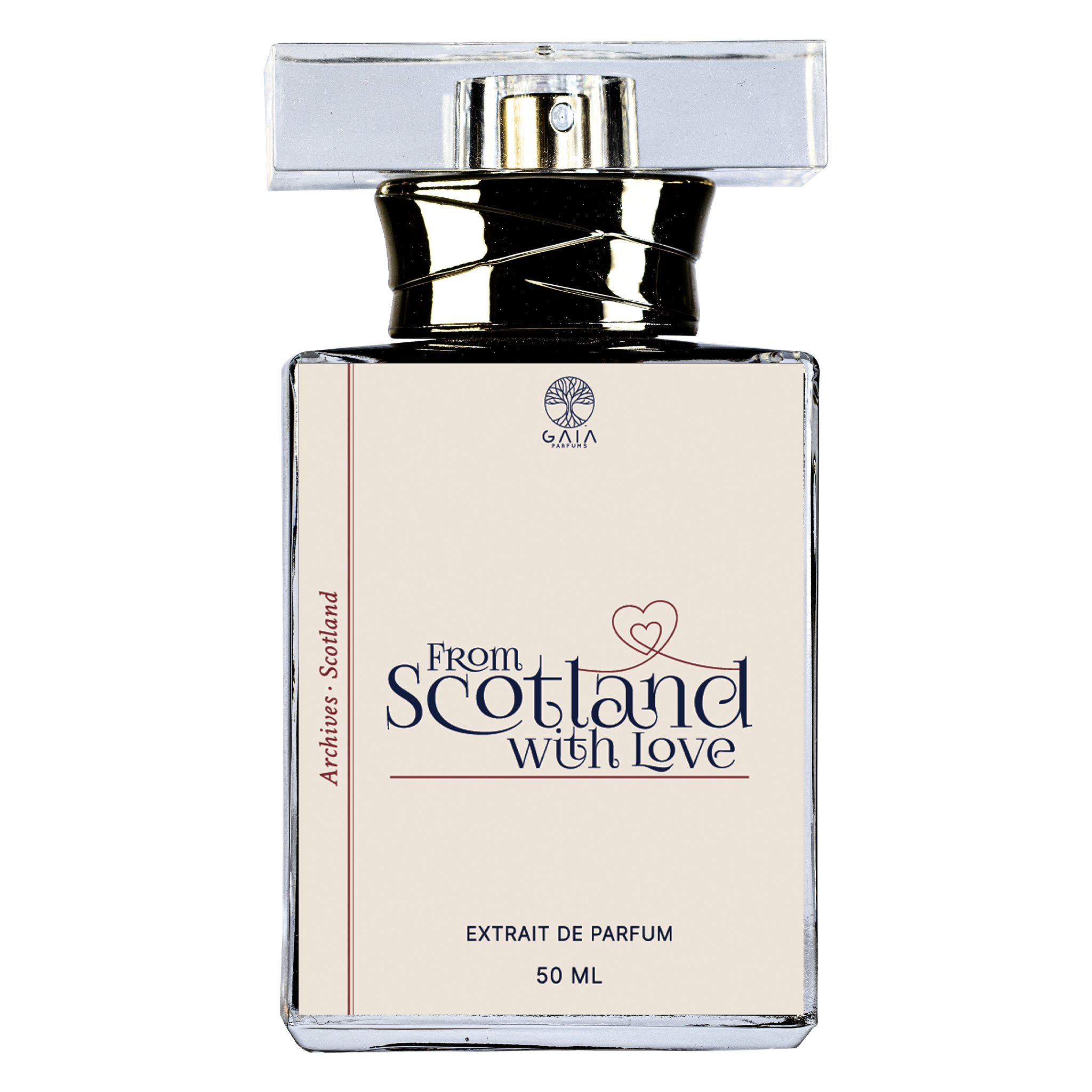
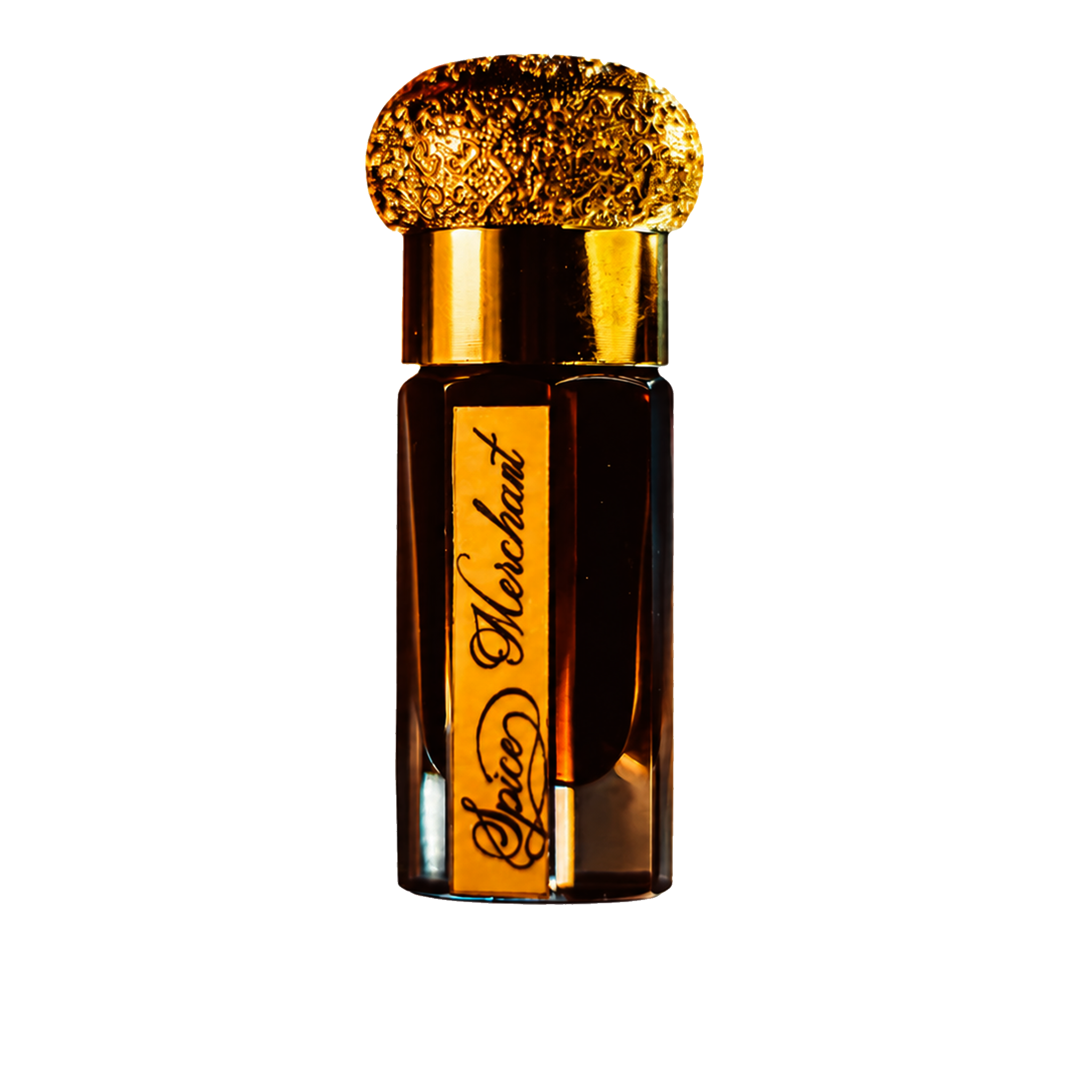
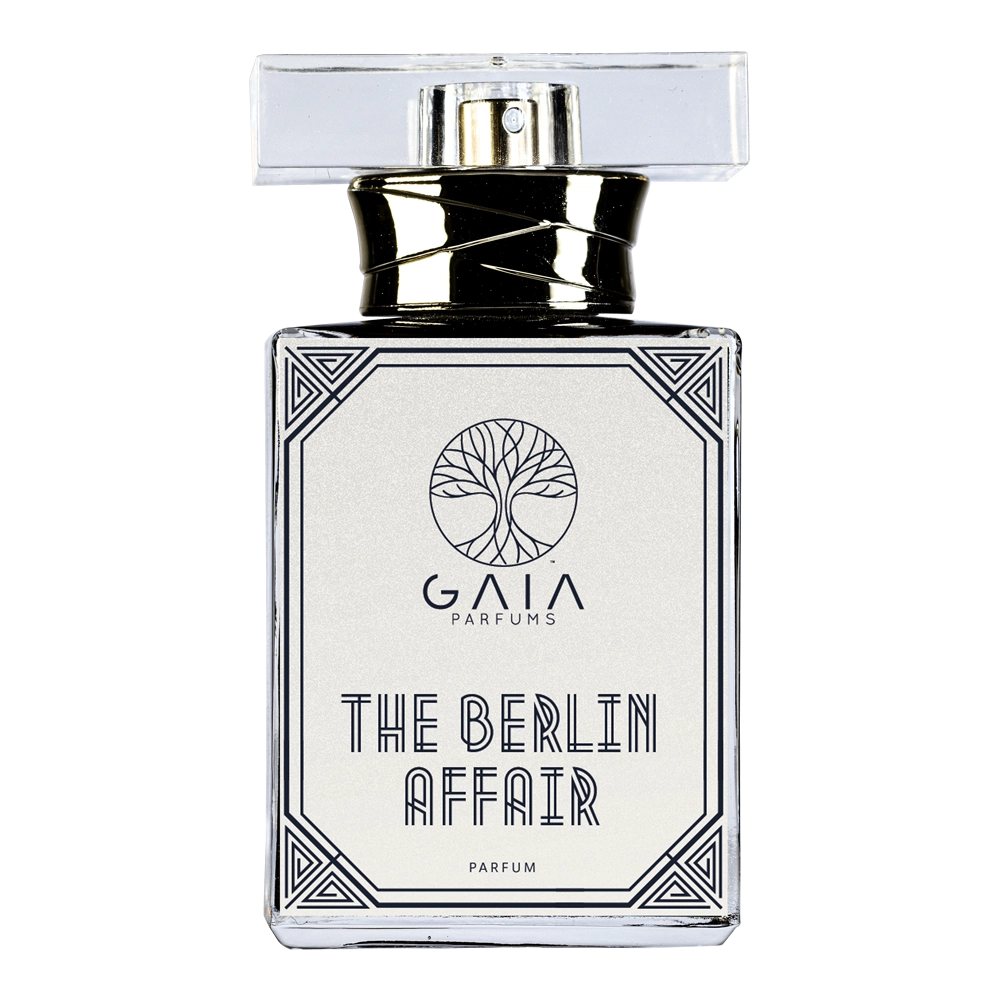
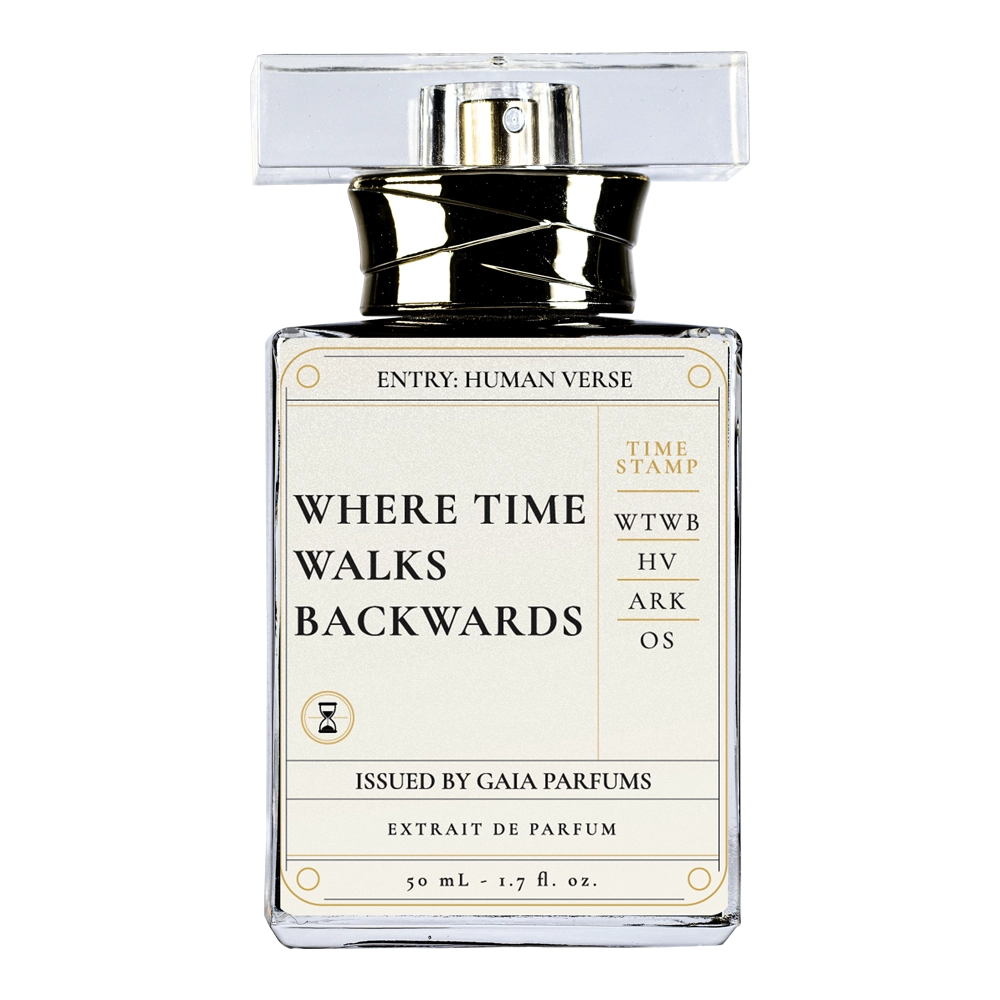
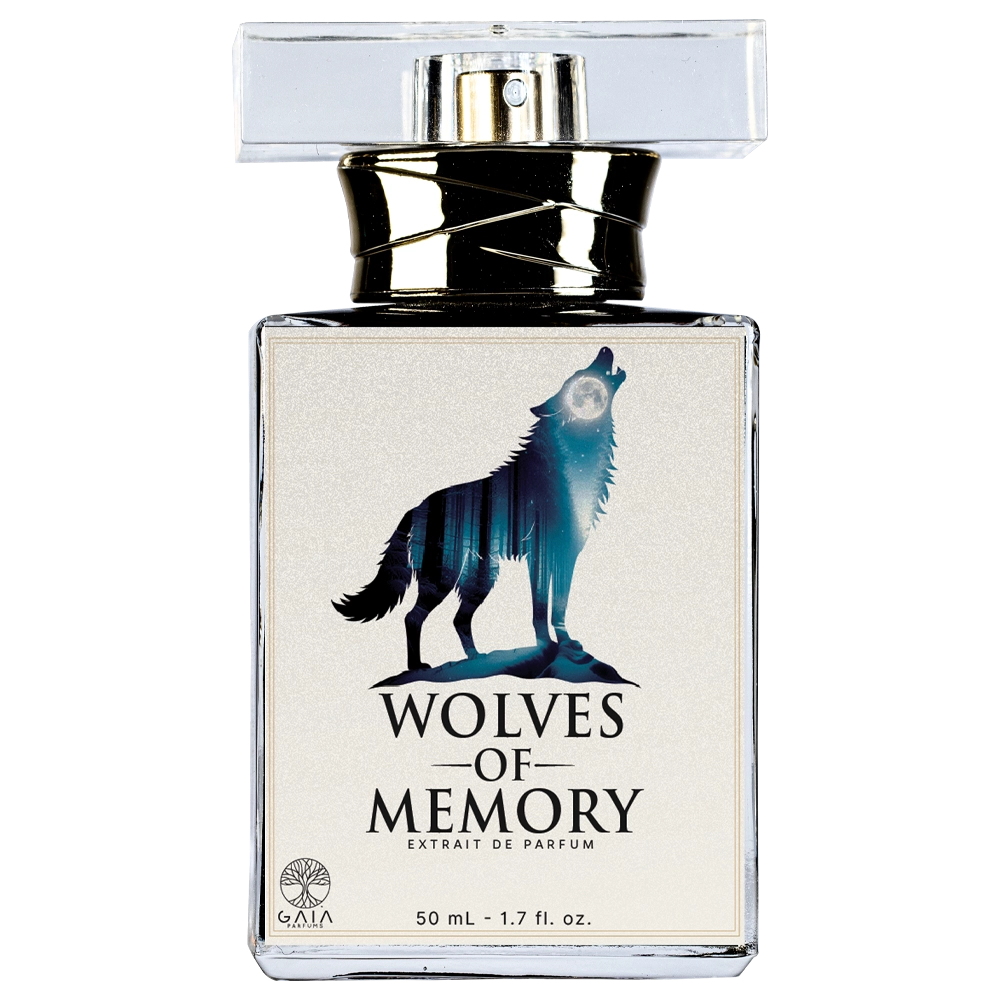


Ask almost any perfume lover about extrait de parfum vs eau de parfum (EDP), and you will usually get a neat answer: extrait is richer, stronger, and longer-lasting. Eau de parfum is lighter, more diffusive, and a little easier. That answer is not wrong, exactly. It is just incomplete.
Because what changes on the skin is not only strength.
Sometimes an extrait feels denser but quieter. Sometimes an EDP projects more, even if it technically contains less aromatic concentrate. Sometimes the higher concentration gives you more depth; other times it gives you less air, less lift, less sparkle. And sometimes, this is the part people don’t say often enough, the “better” version depends entirely on the wearer, the weather, and the composition itself.
That is why beginners get confused. They are told to treat concentration like a quality ladder, as though perfume moves from modest to impressive in fixed steps. But perfume does not really work like that. Two fragrances can share the same concentration family and wear like completely different creatures.
So let’s clear the air.
If you are trying to understand perfume concentration differences in a way that actually helps you buy, wear, and enjoy fragrance, here is what matters.
Perfume concentration refers to the proportion of aromatic materials in the final formula compared with the carrier. In most modern spray perfumes, that carrier is alcohol, sometimes with a little water and other supporting ingredients.
Very broadly speaking, eau de parfum sits below extrait de parfum in concentration. EDP often lands somewhere around the mid-to-high teens or low twenties, while extrait tends to sit higher. But those numbers are only rough guidance. Brands do not all work from the same playbook, and even when they do, concentration percentages alone tell you less than people think.
Here’s the thing: concentration tells you how much aromatic material is there. It does not tell you how the perfume is built.
That distinction matters. A fragrance rich in airy notes can still feel transparent at a relatively high concentration. Another built around resins, woods, musks, and dense base notes can feel heavy even at a lower concentration. So when people ask for a perfume strength guide, they often don’t need a chart. They need context.
Concentration is one part of performance. Structure is the other.

Now we get to the part that people actually feel.
When you compare extrait vs EDP on skin, you are usually noticing five things: texture, richness, projection, longevity, and drydown. Not all at once, not in every formula, but those are the pressure points.
This is one of the quietest differences, and one of the most important.
An extrait often feels smoother and more compact. The opening may be less sharp, less sparkling, less “up in the air.” It can seem as though the perfume starts slightly lower to the skin, with more body and less flash. You do not always get that bright alcohol lift. Instead, the fragrance may feel as though it is already halfway settled—more cream than mist.
An eau de parfum, by contrast, often feels a little more open at the start. There is more movement in the top. More lift. More air between the notes.
That does not make the EDP thinner in a bad way. Sometimes that openness is exactly what makes a perfume beautiful.
Think of it like fabric. Extrait can feel like velvet or brushed wool—dense, close, a little more hushed. EDP can feel more like crisp cotton or silk crepe. Not weaker. Just more breathable.
People often assume a higher concentration means the perfume becomes more luxurious. Sometimes it does. Rose can feel fuller. Woods can feel more polished. Amber can deepen. The whole thing can seem more rounded, less skeletal.
But sometimes richness tips into saturation.
A perfume that sings in eau de parfum may become too packed in extrait. The brightness may shrink. The contrast may flatten. Notes that once moved gracefully, can start standing shoulder to shoulder, crowding each other a little. Honestly, some perfumes need space more than they need extra weight.
That is why extrait de parfum vs eau de parfum is not a simple case of “same perfume, upgraded.” It is often closer to “same theme, different behavior.”

This is where people get tripped up.
An Extrait may last longer on skin and still project less than an EDP. That sounds contradictory, but it is not. Longevity and projection are related, yes, though they are not the same metric.
EDPs often push outward more in the opening because alcohol helps carry the fragrance into the air. That can make them seem stronger, especially in the first hour or two. Extraits may sit tighter, wearing closer even while they stay present for longer.
So which one is stronger?
Depends what you mean by stronger.
If you mean “more noticeable across a room,” sometimes the EDP wins. If you mean “more persistent on skin late into the evening,” the extrait may have the edge. And if you mean “more emotionally satisfying,” well, that is a different question altogether.
Let’s say it plainly: a long-lasting perfume concentration is not guaranteed by concentration alone.
Yes, extrait often lasts longer. Often. But not by some magical law of perfumery. The materials matter. The formula matters. Your skin matters. The weather matters.
Citrus-heavy perfumes, transparent florals, airy musks, these may still wear more softly and more briefly than a resinous, woody EDP built for endurance. Likewise, a perfume with strong fixative materials can perform beyond what its concentration label suggests.
So when people ask, “Will extrait last longer?” the most honest answer is: very possibly, but not automatically.
And sometimes the extra hours are not the point anyway. Sometimes the better question is whether the perfume wears well across those hours. A fragrance can survive for ten hours and still become dull after the third.
If the opening is the handshake, the drydown is the conversation that follows.
Extraits often settle into a denser, warmer, more enveloping drydown. Notes can blur together more seamlessly. The effect may feel richer, more fused to the skin. You get less lift and more residue, in the best sense of the word, something lingering, something woven in.
EDPs often keep more movement in the transition from top to heart to base. They can feel more articulated. More legible. You might notice the evolution more clearly, note by note.
Neither style is better by default. Some wearers love the plush, fused character of extrait. Others want more lift and contrast, more shape as the perfume moves.
You know what? This is often where preference becomes emotional rather than technical. The extrait may feel more intimate. The EDP may feel more alive.
This needs saying, because perfume marketing has muddied the water badly.
Higher concentration does not automatically mean higher quality. It does not prove better raw materials. It does not prove more skill. It does not guarantee elegance, balance, or beauty.
A well-built eau de parfum can be far more compelling than a clumsy extrait. In fact, many perfumers choose EDP because it gives the composition the right amount of lift, spread, and air. Some formulas are simply better there. More coherent. More expressive.

Treating concentration like a prestige badge misses the point of composition. Perfumery is not a race toward density. It is an exercise in proportion.
A good perfume knows what it needs. Sometimes that is richness. Sometimes it is space.
This is where theory meets real life.
In cooler climates, an extrait may feel beautifully cocooning, close to the skin, softly radiant, a slow burn. In Karachi heat or humid weather, that same extrait can feel much denser, much faster. Sweet notes swell. Ambers get louder. Resins bloom. Musks sit closer and thicker. A fragrance that felt elegant in air conditioning can turn quite insistent outdoors.
An EDP, meanwhile, may feel easier in heat because its lift gives the composition a little breathing room. Or it may burn off too quickly and leave you wishing for more depth. Again, there is no single rule.
Skin chemistry complicates things further. On drier skin, an extrait may feel smoother and last better. On warmer, oilier skin, it may amplify quickly and feel almost too saturated. Some people seem to “eat” fresh top notes. Others turn sweet perfumes even sweeter. It happens.
That is why buying by concentration alone is a mistake.
Test the perfume on your skin. Test it in your weather. Test it at the time of day you actually plan to wear it. A fragrance worn at 7 pm in mild indoor light is not the same thing as a fragrance worn at 1 pm in Karachi in April.

Extrait often makes sense when you want:
It can also suit people who dislike very sharp openings or those who want fragrance to feel less like a cloud and more like a second layer of skin.
In a composition built around woods, resins, soft florals, incense, amber, or musks, extrait can be deeply satisfying. It can feel composed in the old sense of the word—settled, assured, not trying too hard.
EDP makes more sense when you want:
Some perfumes are simply at their most beautiful in eau de parfum. They breathe better there. They sparkle more. They retain tension. And tension, in perfumery, can be a good thing. Too much density can smooth away the character you loved in the first place.
So no, choosing an EDP is not “settling.” Sometimes it is the smarter choice. Sometimes it is the more beautiful one.
A thoughtful perfume house pays attention to how fragrance behaves after the opening has gone quiet. That is the real test. Not just first spray, not just the first compliment, but the long middle stretch, the part where perfume either becomes flat or becomes more convincing.
That is one reason concentration talk is only useful when it stays tied to wearing experience. At GAIA Parfums, the more interesting question is not “Which one sounds stronger on paper?” but “How does it wear over time?”
A fragrance like Where Time Walks Backwards invites that kind of patience; it is the sort of perfume you understand in phases, not in a rush. Wolves of Memory works in a similarly time-aware way, less about instant noise, more about atmosphere as it settles. And for readers who want to browse the wider catalogue through that lens, the Shop GAIA Parfums page is really where the comparison becomes personal. You wear. You wait. Then you decide.
That, in the end, is more useful than any concentration chart.

Extrait de parfum vs eau de parfum sounds like a technical question, but it turns personal very quickly.
Yes, concentration matters. It changes texture. It changes wear. It can change projection, depth, and the pace of the drydown. But it does not tell the whole story, and it certainly does not hand you a winner in advance.
Some perfumes need air. Some need density. Some become more beautiful as extraits. Others lose their charm when made too compact. That is why the smartest perfume wearers do not chase concentration as a badge. They pay attention to behavior.
How does it open? How does it settle? How does it feel after three hours, not three minutes?
That is the part worth caring about.
And if you want to explore that question through a house that values the long wear of a perfume as much as the first impression, spend some time with Where Time Walks Backwards, Wolves of Memory, or browse the wider Shop GAIA Parfums selection. The answer, as always, is on skin.